

From late autumn to early spring, sunlight in Switzerland is often insufficient for the skin to produce substantial amounts of vitamin D. The amount produced varies with location, weather, time outdoors and skin exposure.
Vitamin D contributes to the normal function of the immune system and to the maintenance of normal bones and muscle function. Alongside other nutrients, it is an important part of a balanced diet throughout the year.
This guide explains what vitamin D3 does, why the Swiss winter makes it harder to get, who should pay closer attention, and the simple steps you can take to stay on track until spring.
What Is Vitamin D3 and What Does It Do?
Vitamin D3, also known as cholecalciferol, is the form of vitamin D your skin produces when exposed to sunlight. It is also found in animal-based foods such as oily fish and egg yolks. Vitamin D2, the other common form, comes from plant sources and fungi. D3 is the form most widely used in food supplements.
Vitamin D is unusual because your body can make it itself, as long as it gets enough sunlight. Once produced or absorbed, it is stored in the body and used for several important functions. Vitamin D contributes to:
- The normal function of the immune system
- The maintenance of normal bones and teeth
- The maintenance of normal muscle function
- The normal absorption and use of calcium and phosphorus
Vitamin D has several established functions in the body. Adequate intake matters throughout the year, including during winter.
Why Is Vitamin D Harder to Get in a Swiss Winter?
In winter, the sun sits lower in the Swiss sky, so the UVB rays your skin needs to make vitamin D are much weaker. Days are shorter, and most people spend daylight hours indoors. When you do go outside, coats, scarves and gloves cover nearly all of your skin.
Studies of seasonal UVB exposure in Switzerland indicate that vitamin D production through sunlight can be limited in winter. The extent varies by altitude, weather, skin exposure and individual circumstances.
Vitamin D status can vary by season and between individuals. For personal advice about vitamin D intake or testing, consult a qualified healthcare professional.
Who Is Most at Risk?
Some groups are more likely to run low during the colder months:
- Older adults: The skin’s ability to produce vitamin D declines with age.
- Office and indoor workers: Long days inside leave little time for daylight.
- People with darker skin: More melanin means the skin produces vitamin D more slowly.
- People who cover most of their skin: For cultural, religious, or practical reasons.
- Anyone who avoids sunlight: Including people with sensitive skin or those who always use high-factor sunscreen.
If you recognise yourself in this list, the winter months deserve a little extra planning.
Can You Get Enough Vitamin D From Food?
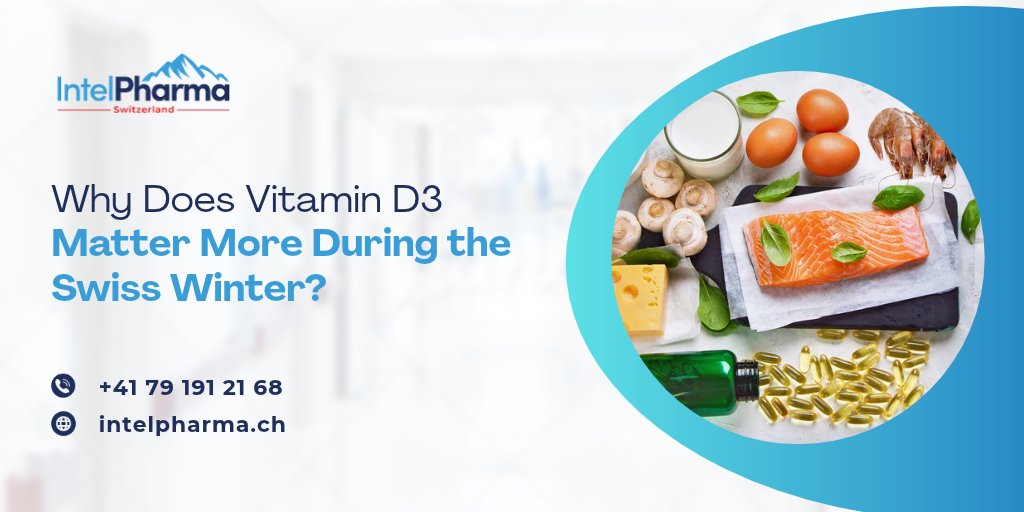
Food helps, but it rarely fills the gap on its own. Only a small number of foods naturally contain meaningful amounts of vitamin D, including:
- Oily fish such as salmon, mackerel, herring and sardines
- Egg yolks
- Mushrooms exposed to UV light
- Fortified foods, such as some dairy alternatives and breakfast cereals
These foods can contribute to vitamin D intake. If dietary intake and sunlight exposure are insufficient, a healthcare professional can advise whether a supplement is appropriate.
How Much Vitamin D Do Adults Need?
Swiss public-health guidance provides age-specific reference intakes for vitamin D. The figures below are general guidance rather than individual treatment recommendations:
| Group | Recommended Daily Intake |
| Adults aged 18 to 59 | 600 IU (15 micrograms) |
| Adults aged 60 and over | 800 IU (20 micrograms) |
Swiss guidance also addresses vitamin D intake in older adults. Individual needs may differ, particularly where a healthcare professional has identified a deficiency.
These figures concern total daily intake from food and supplements. Routine blood testing is not necessary for everyone; ask a healthcare professional whether testing is appropriate for you.
Smart Winter Habits to Support Your Vitamin D
A few simple habits can help you make the most of the darker months:
- Head outside around midday. Winter sunlight is weak, but a lunchtime walk still gives you daylight, fresh air and movement.
- Plan your plate. Add oily fish to your menu once or twice a week, and enjoy eggs as part of a balanced diet.
- Skip the solarium. Swiss researchers have warned that the skin cancer risk from sunbeds in winter far outweighs any possible benefit.
- Make supplements a daily routine. Taking your supplement at the same time each day, such as with breakfast, makes it easy to stay consistent.
Ask a healthcare professional whether a vitamin D blood test is appropriate for your individual situation.
How to Choose a Winter Supplement?
When comparing food supplements in Switzerland, check the nutrient amounts, recommended daily intake and the information provided on the label:
- Vitamin D in a clear amount: Check how much vitamin D each daily dose provides, and compare it with the recommended intake for your age.
- Complementary nutrients: Magnesium and vitamins B6 and B12 contribute to the normal functioning of the nervous system. Magnesium and vitamins B6 and B12 also contribute to the reduction of tiredness and fatigue.
- Swiss quality standards: Look for products developed with transparent ingredient lists and responsible labelling.
- Honest claims: A trustworthy supplement complements your diet. It does not promise to cure or prevent illness.
Bring the Sunshine Back Into Your Winter Routine!
The Swiss winter brings shorter days and reduced opportunities for vitamin D production through sunlight. A varied diet, time outdoors and, where appropriate, a food supplement can all form part of a winter routine.
Intelpharma offers SwiMood, a Swiss food supplement containing vitamin D, magnesium, vitamins B6 and B12, and selected botanical ingredients. Vitamin D contributes to the normal function of the immune system. Magnesium and vitamins B6 and B12 contribute to the normal functioning of the nervous system and to the reduction of tiredness and fatigue. These statements refer to the named nutrients, not to a proven effect of the botanical ingredients or of the product as a whole.
Discover SwiMood and review its ingredients and recommended daily intake on the Intelpharma website. Food supplements should not replace a varied and balanced diet and a healthy lifestyle.
Frequently Asked Questions
- Should I take vitamin D all year or only in winter?
Vitamin D intake needs vary. People with limited sun exposure or particular nutritional needs can ask a healthcare professional whether supplementation is appropriate.
- Is vitamin D3 better than vitamin D2?
Both forms can contribute to vitamin D intake. Vitamin D3 is the form produced in the skin and is commonly used in supplements.
- Can you take too much vitamin D?
Yes. Vitamin D is fat-soluble and stored in the body, so very high doses over a long time can be harmful. Stick to the recommended daily dose on the label and avoid combining several products that all contain vitamin D.
- Should vitamin D be taken with food?
Yes, ideally. Because vitamin D is fat-soluble, it is absorbed better when taken with a meal that contains some fat, such as breakfast with yoghurt, eggs or nuts.
- Can I make vitamin D by sitting next to a sunny window?
No. Standard window glass blocks most of the UVB rays your skin needs to produce vitamin D, so sitting indoors by a window does not help.
- Do skiers get enough vitamin D in winter?
UV levels are stronger at altitude, but skiers usually expose only their face and wear sunscreen. An occasional day on the slopes is unlikely to cover your needs for the whole season.
- How long does it take to improve vitamin D levels?
Changes in vitamin D blood levels depend on baseline status, intake and individual factors. A healthcare professional can advise whether follow-up testing is needed.
- Is SwiMood suitable for daily winter use?
SwiMood is a food supplement intended to complement a varied and balanced diet and healthy lifestyle. Follow the recommended daily intake on the packaging and do not exceed it.